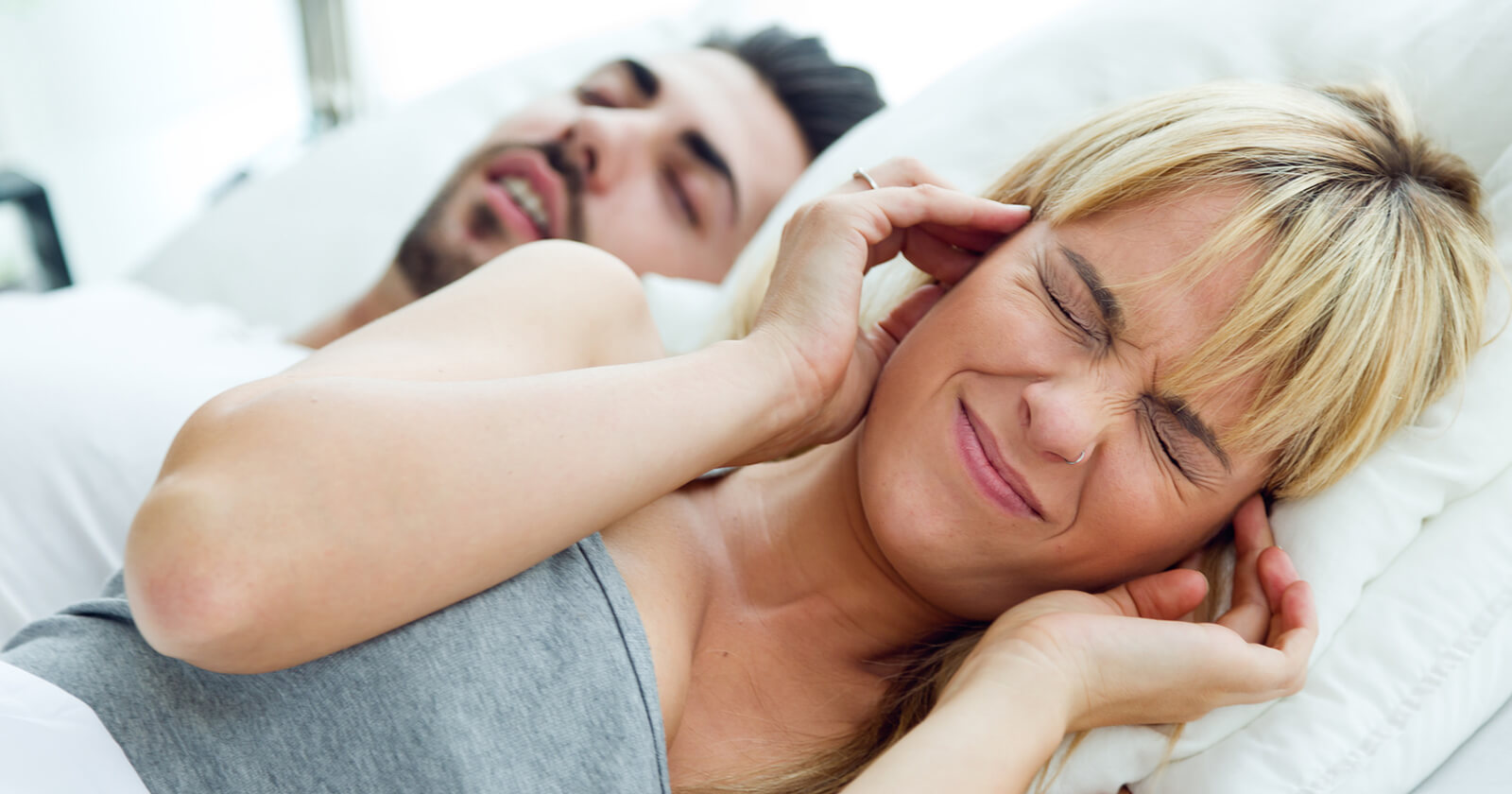
Men's Snoring Solutions: Proven Tips for Quieter Nights
Snoring is far more than just a nuisance that keeps your partner awake. For many men, it's a nightly symphony that disrupts sleep quality, leads to daytime fatigue, and can even signal underlying health concerns. While both men and women can snore, men are statistically more prone to it, often due to anatomical differences and lifestyle factors. The good news is that for most men, achieving quieter, more restful nights is entirely possible. If you're wondering Was Hilft Gegen Schnarchen Bei Männern, you've come to the right place. This comprehensive guide will explore proven strategies, from simple lifestyle adjustments to effective anti-snoring aids, designed to help you and your partner finally enjoy undisturbed sleep.
Understanding Why Men Snore: A Quick Overview
To effectively tackle snoring, it helps to understand its origins. Snoring occurs when air flow through your mouth and nose is obstructed during sleep. This causes the surrounding soft tissues in your throat – particularly the soft palate, uvula, and tongue base – to vibrate, producing the characteristic sound. Several factors contribute to this phenomenon, and some are particularly prevalent in men:
- Narrowed Airways: Men often naturally have narrower airways in the throat compared to women.
- Tissue Laxity: As we age, muscle tone decreases, including in the throat, leading to increased tissue relaxation and vibration.
- Weight: Excess weight, especially around the neck, can lead to increased fatty tissue deposits that further narrow the throat space.
- Alcohol, Sedatives, and Smoking: These substances relax the throat muscles excessively and irritate the mucous membranes, increasing the likelihood of snoring.
- Sleeping Position: Sleeping on your back allows gravity to pull the tongue and soft palate towards the back of the throat, obstructing airflow.
- Nasal Congestion: Allergies, colds, or anatomical issues like a deviated septum can force mouth breathing, which is more prone to snoring.
Understanding these root causes is the first step in finding the most effective solutions for you. To delve deeper into the specific triggers and their impact, read our detailed article on Why Men Snore: Understand Causes & Find Relief with Smart Habits.
Lifestyle & Behavioral Changes: Your Foundation for Quieter Nights
For many men, addressing snoring begins with simple yet powerful changes to daily habits and bedtime routines. These foundational steps can significantly reduce or even eliminate mild to moderate snoring:
Prioritize Your Sleeping Position
- Embrace Side Sleeping: This is arguably the simplest and most effective change for many snorers. Sleeping on your side prevents the tongue and soft palate from falling back and obstructing the airway.
- Smart Aids for Side Sleeping: If you struggle to stay on your side, consider these tricks:
- The Tennis Ball Trick: Sew a tennis ball into the back of your pajama top. This makes rolling onto your back uncomfortable, prompting you to stay on your side.
- Anti-Snoring Vests or Backpacks: Specifically designed vests or backpacks create a gentle physical barrier that discourages back sleeping.
- Ergonomic Pillows: Specialized anti-snoring pillows are contoured to support your head and neck in a way that promotes side sleeping or keeps your chin slightly elevated, maintaining an open airway.
Achieve and Maintain a Healthy Weight
This is a critical factor, especially for men. Excess body fat, particularly around the neck, can compress the airways, making them more prone to collapse during sleep. A long-term commitment to weight reduction through a balanced diet and regular exercise can dramatically reduce snoring. Even a modest weight loss can make a significant difference, as it helps to reduce the fatty tissue burden on your throat.
Limit Alcohol, Sedatives, and Smoking
- Alcohol: Consuming alcohol, especially close to bedtime, is a common culprit. Alcohol acts as a muscle relaxant, causing the throat muscles to become overly lax, increasing vibrations. Aim to avoid alcohol for at least 3-4 hours before sleep.
- Sedatives and Certain Medications: Similar to alcohol, sleeping pills, antihistamines, and some muscle relaxants can overly relax throat muscles. Discuss your medications with your doctor if you suspect they are contributing to your snoring.
- Smoking: Smoking irritates the delicate mucous membranes lining your nasal passages and throat, leading to inflammation and swelling. This narrows the airways and can significantly worsen snoring. Quitting smoking is beneficial for countless health reasons, including reducing snoring.
Optimize Your Sleep Environment and Habits
Good sleep hygiene isn't just about feeling rested; it also plays a role in reducing snoring:
- Cool, Dark, and Quiet: Ensure your bedroom is conducive to sleep. A room temperature between 18-20°C (65-68°F), minimal light, and quiet surroundings promote deeper, more stable sleep, reducing the likelihood of disruptive snoring episodes.
- Regular Sleep Schedule: Going to bed and waking up at consistent times, even on weekends, helps regulate your body's internal clock and improves overall sleep quality.
- Avoid Allergens: Dust mites, pollen, pet dander, and other allergens can cause nasal congestion and inflammation, forcing you to breathe through your mouth. Keep your bedroom clean, use allergen-proof covers, and consider an air purifier. Regularly wash bedding and vacuum to minimize irritants.
- Stay Hydrated: Dehydration can thicken the mucus in your throat, which can exacerbate snoring. Ensure you drink enough water throughout the day.
Non-Invasive Aids & Devices: Targeted Solutions for Men's Snoring
When lifestyle changes aren't enough, various over-the-counter and prescription aids can offer significant relief. These are often most effective for mild to moderate snoring and can be implemented without surgery:
- Nasal Strips and Nasal Dilators: If your snoring originates from a blocked or narrowed nose, these are excellent options.
- Nasal Strips: Applied externally across the bridge of the nose, they gently pull the nostrils open, improving airflow.
- Nasal Dilators (or Nasal Sprays/Clips): These are inserted into the nostrils to actively widen the nasal passages from the inside. They are particularly helpful for those with congestion due to colds, allergies, or minor anatomical restrictions.
- Mandibular Advancement Devices (MADs) / Snore Guards: These custom-fitted oral appliances, provided by a dentist, are highly effective for many snorers. A MAD works by gently holding the lower jaw and tongue slightly forward, preventing them from falling back and obstructing the airway during sleep. It's crucial that these are custom-made by a dental professional to ensure proper fit and avoid dental issues like bite changes.
- Anti-Snoring Pillows & Sleep Vests: As mentioned earlier, these are designed to maintain a specific sleep position (usually side-sleeping or with an elevated head) to keep airways open. They physically support your head, neck, and sometimes even your body, to prevent you from rolling onto your back.
- Throat and Tongue Exercises: Strengthening the muscles in your throat and tongue can reduce their tendency to collapse. Simple exercises, like those used by speech therapists, or even learning a wind instrument (like a didgeridoo, as one study suggested) or singing, can build muscle tone and potentially alleviate snoring.
A Word of Caution: The market is flooded with various anti-snoring sprays, oils, and foams claiming to lubricate throat tissues. Many of these lack scientific backing and may not be effective. Similarly, avoid "snoring pacifiers" or non-customized oral devices that could potentially lead to dental misalignment or jaw problems. Always consult with a healthcare professional before trying new or potentially intrusive devices.
Beyond the Basics: Advanced Approaches and Professional Guidance
While many men find relief with lifestyle changes and common aids, persistent or severe snoring, especially if accompanied by gasping, choking, or pauses in breathing, warrants professional evaluation. This could be a sign of Obstructive Sleep Apnea (OSA), a serious condition requiring medical intervention.
If your snoring persists despite trying various remedies, or if you suspect sleep apnea, consider consulting:
- Your General Practitioner: They can assess your symptoms, discuss your medical history, and refer you to specialists.
- An ENT Specialist (Ear, Nose, and Throat Doctor): They can examine your nasal passages, throat, and larynx for any physical obstructions or abnormalities that contribute to snoring, such as a deviated septum, enlarged tonsils, or polyps. In some cases, surgical interventions may be recommended to correct these issues.
- A Dentist: A dentist specializing in sleep medicine can fit you with a custom Mandibular Advancement Device (MAD), which is highly effective for many snorers and OSA sufferers.
- A Sleep Specialist: A sleep physician can conduct a sleep study (polysomnography) to diagnose conditions like sleep apnea and recommend appropriate treatments, such as Continuous Positive Airway Pressure (CPAP) therapy.
Conclusion
Snoring doesn't have to be a permanent fixture in your nights. For men seeking to reclaim quiet, restorative sleep, a range of effective solutions exist, from straightforward lifestyle adjustments to specialized devices and professional medical interventions. By understanding the underlying causes of your snoring and systematically trying different approaches, you can significantly improve your sleep quality and, by extension, your overall health and well-being. Don't underestimate the profound impact that a quiet night can have – not just for you, but for your partner too. Start your journey towards quieter nights today, and remember that consistent effort and, if needed, professional guidance, are key to lasting relief.